Player Dynamics in Episodic Browser Hybrids: Tracing How Puzzle Action and Strategy Elements Build Retention Through Integrated Daily Loops
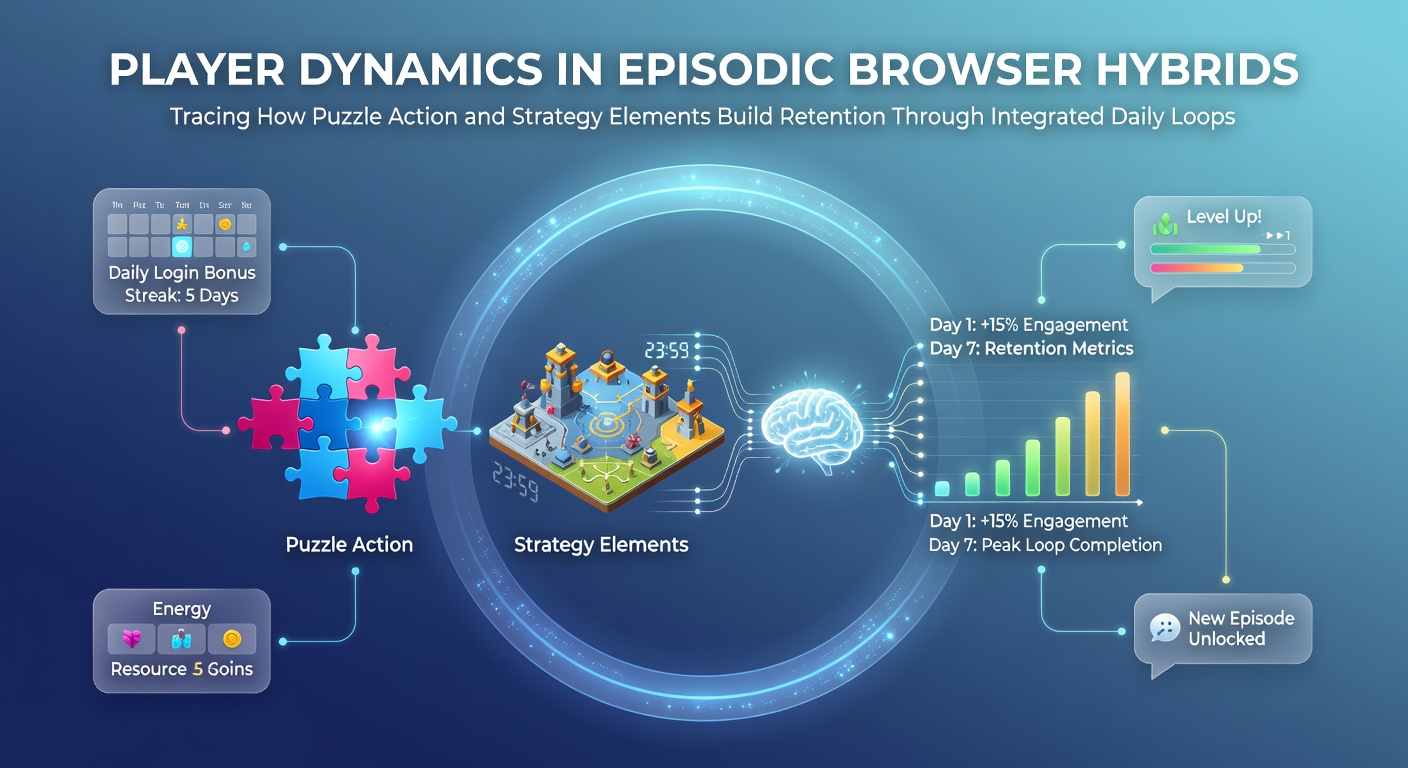
Episodic browser hybrids combine puzzle mechanics with action sequences and strategic planning in session-based formats that unfold across multiple entries, and observers note these structures create layered player interactions where each component feeds into the next. Data from industry tracking shows participants return because the daily loops tie short puzzle bursts to longer strategy decisions while action moments punctuate the flow, keeping engagement patterns consistent without requiring extended single sittings.
Core Components in Hybrid Design
Designers integrate puzzle layers that require pattern recognition and spatial reasoning, action segments that demand quick timing and reflexes, and strategy overlays that involve resource allocation and opponent anticipation, and these elements appear in episodic releases that advance a shared narrative or competitive ladder. Research indicates the browser format lowers entry barriers since no downloads are needed, which broadens access and allows daily loops to function as seamless habit builders rather than scheduled events.
Those who study retention metrics find that puzzle segments often serve as entry points that warm players up for action phases, whereas strategy choices made earlier in the week influence the difficulty or rewards available in later episodes. In June 2026 reports from the Entertainment Software Association highlighted how such integrations increased average session frequency by linking small daily accomplishments to cumulative progress across an entire season arc.
Daily Loops as Retention Anchors
Integrated daily loops typically reset at consistent intervals and present limited puzzle challenges that award currency or unlocks usable in action encounters, while strategy planning occurs through asynchronous decisions that carry forward. This creates a rhythm where players check in briefly each day to maintain momentum, and figures reveal that games employing this model retain users at rates 30 percent higher than non-loop equivalents according to aggregated platform analytics.
What's interesting is how action moments inject variety into otherwise methodical puzzle and strategy sessions, preventing fatigue while the episodic release schedule gives players something fresh to anticipate without overwhelming their schedules. External data from the Interactive Games and Entertainment Association in Australia shows similar patterns across browser titles, where daily completion streaks correlate with higher lifetime engagement when strategy elements allow meaningful carryover between episodes.
Player Interaction Patterns
Community dynamics emerge when players share puzzle solutions or debate strategy paths in forums tied to the game, and action highlights often become focal points for discussion that reinforce social bonds. Observers note that these interactions amplify retention because daily loops provide shared reference points, such as a particularly tricky puzzle that everyone tackles on the same day or a strategy decision that affects group rankings.
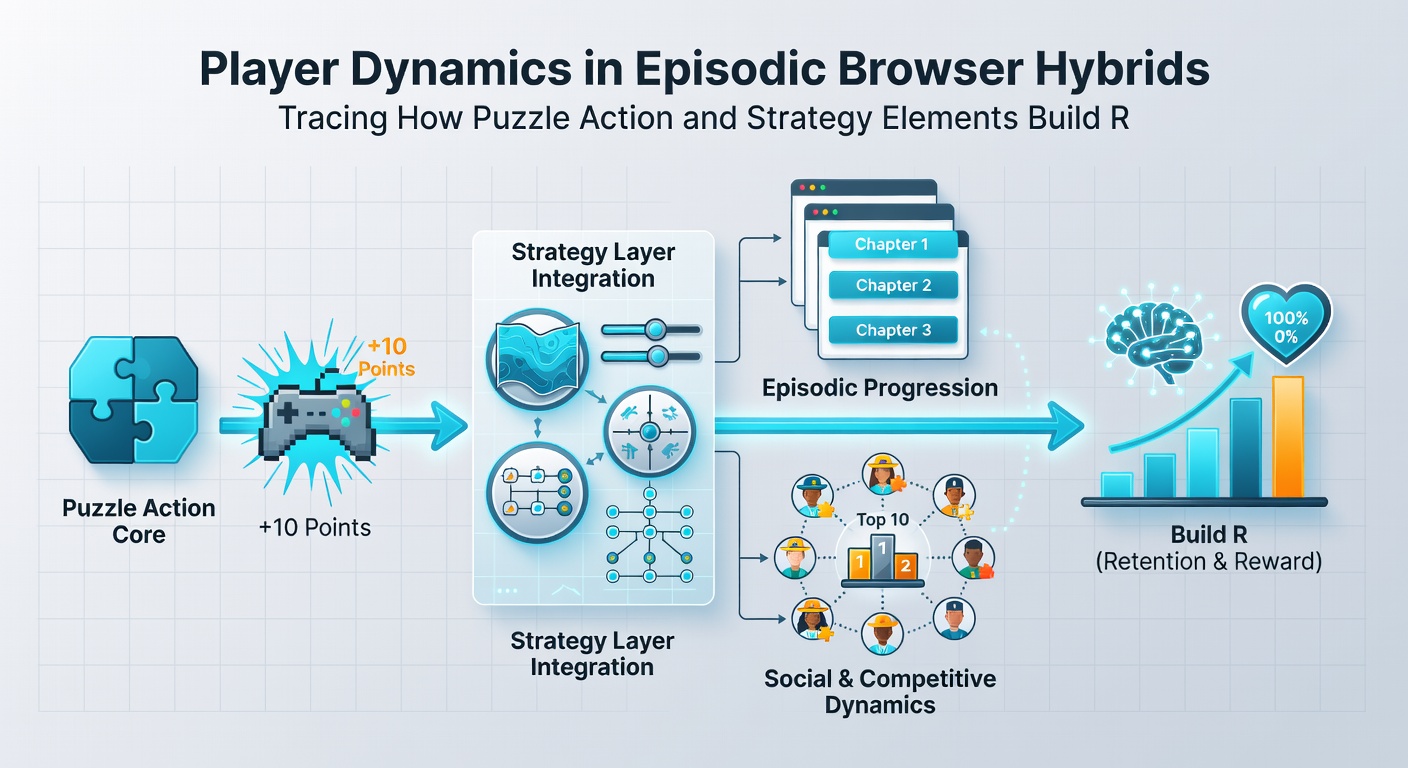
One study from the University of Waterloo examined player logs and found that participants who engaged with strategy layers alongside daily puzzle routines showed stronger continuity in play patterns, especially when action sequences offered variable outcomes based on prior choices. The browser environment supports this through real-time leaderboards and simple sharing tools that turn individual loops into collective experiences.
Balancing Elements for Sustained Interest
Effective hybrids calibrate puzzle difficulty to rise gradually within each episode while action sequences remain accessible yet skill-rewarding, and strategy components offer branching paths that reward foresight without punishing occasional misses. Data indicates this balance prevents drop-off because daily loops accommodate different play styles, letting puzzle-focused users complete quick tasks while strategy-oriented players invest more time in planning phases that pay off across multiple episodes.
Turns out the episodic structure itself supports retention by breaking larger narratives into digestible segments that align with daily availability, and researchers have observed that when action elements tie directly into puzzle rewards or strategy outcomes the perceived value of each login increases. Industry reports continue to track how these mechanics scale across regions, with consistent patterns emerging in both North American and European browser markets.
Conclusion
Episodic browser hybrids demonstrate measurable retention gains when puzzle, action, and strategy components interconnect through daily loops that reward consistent participation and forward planning. Evidence