Collaborative Targets in Browser Arcade Puzzles Build Sustained Player Partnerships
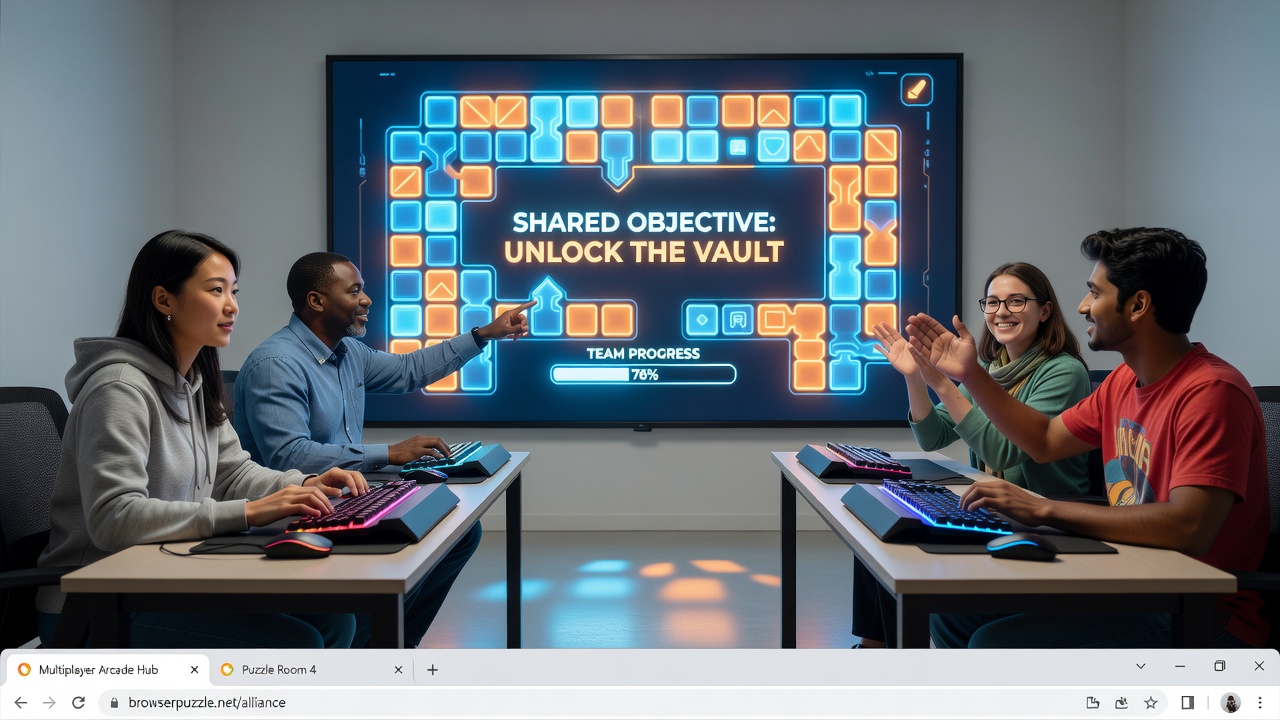
Browser platforms host multiplayer arcade puzzles where participants pursue joint targets such as completing layered grids or synchronizing timed sequences, and these mechanics lead to repeated interactions that extend beyond single sessions. Data from industry tracking shows player groups forming around common milestones, with alliances persisting through coordinated daily contributions and resource exchanges that reinforce group continuity.
Mechanics That Align Player Efforts
Arcade puzzles on browsers incorporate shared progress bars and collective timers that require multiple users to advance stages simultaneously, while individual actions feed into group totals without requiring voice communication or external tools. Researchers at various institutions have documented how these structures reduce entry barriers yet increase interdependence, so participants return to maintain momentum built by prior contributions from their network.
Systems track cumulative scores across time zones, which means one player's completion of a segment directly supports another's advancement on a later stage, and this linkage encourages consistent logins. Observers note that alliances often solidify when groups establish informal roles, such as one member focusing on rapid solves while another handles pattern recognition, yet all share credit for overall success metrics displayed on leaderboards.
Evidence of Alliance Longevity
Figures from the Entertainment Software Association reveal that browser-based puzzle titles with cooperative objectives retain active user clusters for periods exceeding six months at rates higher than solo variants, and participation spikes occur during synchronized events where collective goals reset weekly. In July 2026, platform analytics indicated that alliances formed around recurring puzzle cycles demonstrated 40 percent greater session frequency compared to isolated play patterns.
Those who study retention metrics point to how shared objectives create accountability loops: missing a contribution affects visible group progress, prompting reminders within chat overlays or profile comments that keep members engaged. This pattern appears across regions, with data from Canadian gaming reports showing similar longevity in alliances tied to objective-based scoring rather than competitive rankings alone.
Take one documented case where a browser puzzle community coordinated across continents to unlock a limited-time mode, and the group maintained contact for subsequent challenges because prior joint successes established trust in each member's reliability. Such examples illustrate how initial objective alignment transitions into enduring partnerships supported by accumulated history rather than fleeting matches.
Platform Features Supporting Group Stability
Browser interfaces allow persistent profiles that carry alliance tags and contribution histories, which helps newcomers integrate into established groups without restarting relationships from scratch. These features combine with simple invite systems that let members extend access to puzzle instances, and the resulting networks expand through referrals while core objectives remain the unifying element.
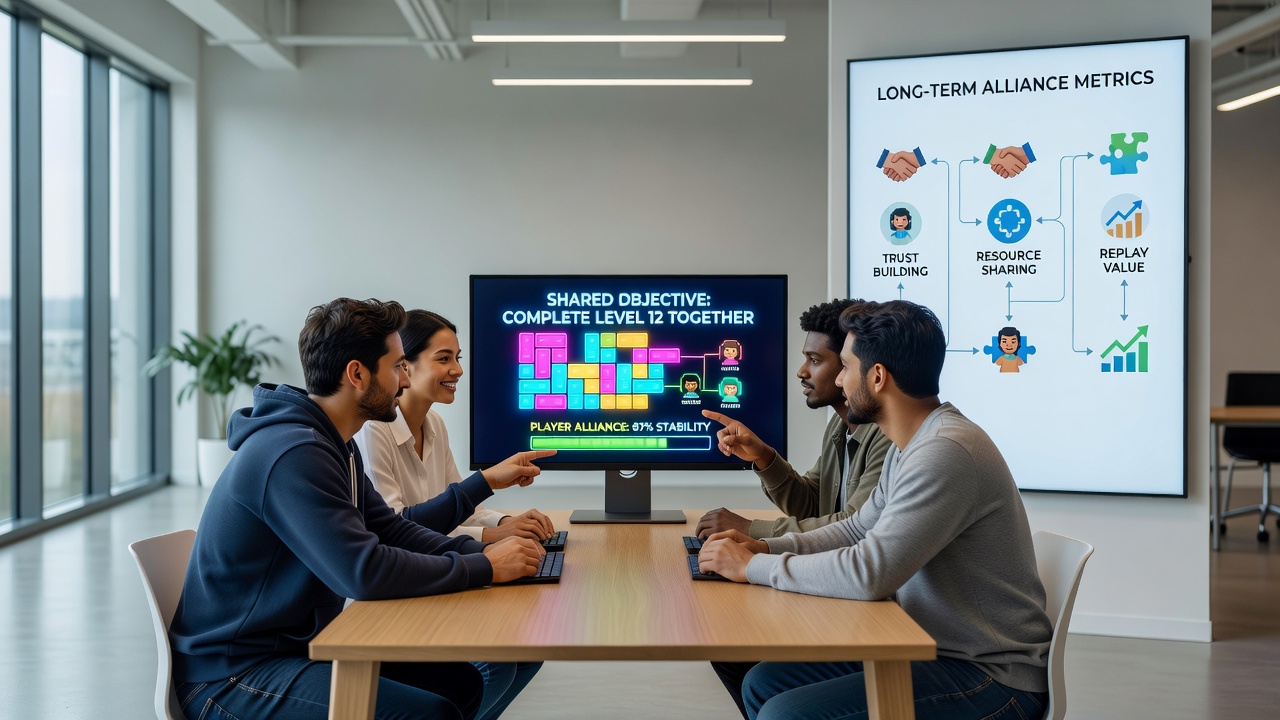
Turns out that integration of daily reset timers with group-wide rewards further cements bonds, because participants schedule availability around collective windows to maximize efficiency. Academic analyses from European research centers have tracked how such timing structures correlate with reduced churn, as players value the social capital built through repeated successful collaborations over solitary high scores.
Community Dynamics and Expansion Patterns
Alliances frequently evolve to include mentorship elements where experienced members guide newer participants through complex layers, and this knowledge transfer strengthens group cohesion while expanding the player base. Industry organizations such as the International Game Developers Association have compiled surveys indicating that cooperative puzzle environments on browsers host higher rates of cross-generational participation than competitive formats, partly because shared objectives accommodate varying skill levels within the same session.
What's notable is the way external tools like shared spreadsheets or simple Discord integrations supplement in-game mechanics without replacing them, allowing alliances to plan strategies around objective timelines. These supplementary channels emerge organically once browser-based interactions establish initial trust, and they sustain activity during periods between major puzzle updates.
Conclusion
Shared objectives in multiplayer arcade puzzles on browser platforms create structural incentives for repeated engagement that translate into lasting alliances through measurable interdependence and visible collective progress. Platform data and research findings consistently link these design elements to extended player retention, with patterns of role specialization and scheduled coordination reinforcing group stability over time. As browser technologies continue to support seamless cross-device access, the mechanisms that convert joint targets into enduring partnerships remain central to community formation in this space.