Building Player Networks Through Puzzle-Strategy Integration in Casual Browser Platforms
Drew Schmitt · Aug 4, 2026
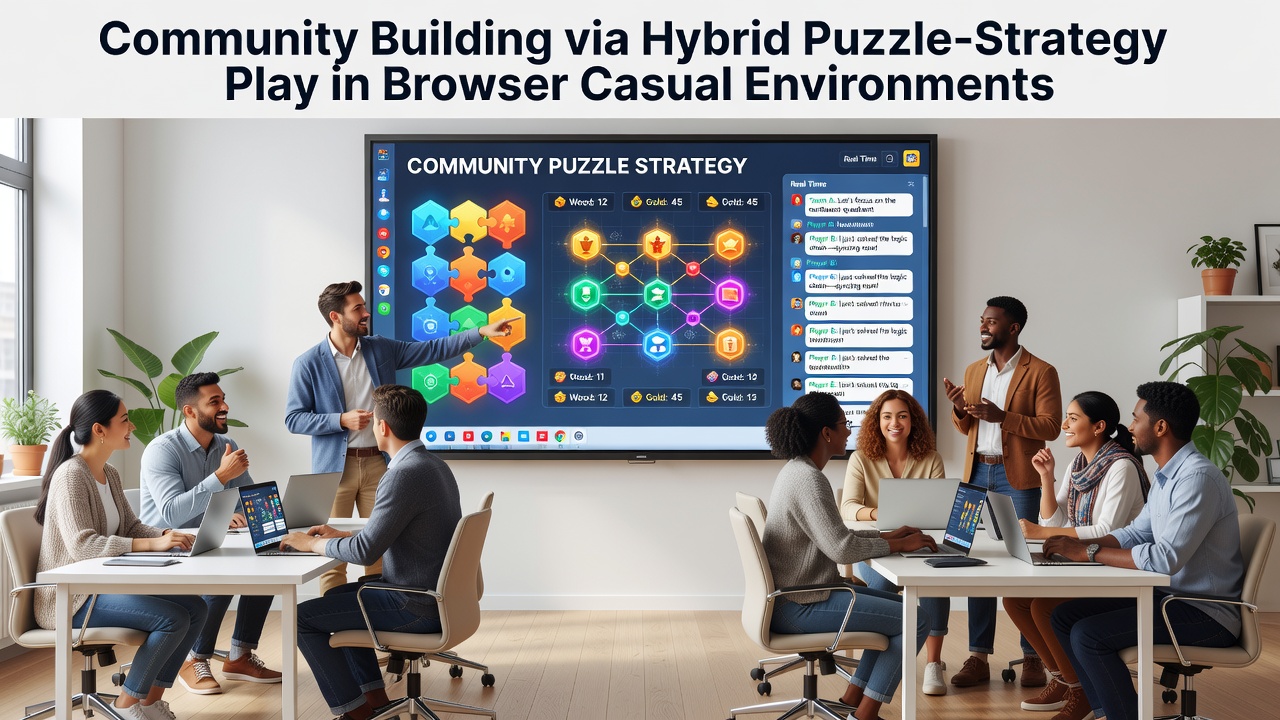
Building Player Networks Through Puzzle-Strategy Integration in Casual Browser Platforms
Browser environments host hybrid games that merge puzzle mechanics with strategic decision-making, and these combinations create structured opportunities for players to interact over extended periods, according to industry analyses from teh Entertainment Software Association. Participants solve layered challenges that blend immediate pattern recognition with longer-term resource allocation, which generates repeated sessions where individuals compare approaches and form ongoing connections. Data from multiple regions shows that such titles maintain higher return rates when players encounter shared progress systems that reward collective milestones alongside personal achievements.
Core Mechanics Driving Repeated Engagement
Hybrid designs place puzzle sequences inside strategic frameworks, so users complete short cognitive tasks that feed into broader campaign elements, and this structure supports both solitary reflection and group coordination. Players often exchange solution strategies through integrated chat functions or external forums, which leads to the development of informal mentorship networks within the community. Research indicates that browser accessibility lowers entry barriers, allowing diverse age groups and geographic locations to participate without specialized hardware, and this inclusivity expands the pool of potential collaborators who contribute to collective knowledge bases.
Daily or weekly challenge cycles introduce fresh puzzle variants that require adaptive strategy, while players track rankings and discuss optimal paths in dedicated community spaces. Observers note that these loops encourage the formation of alliances where experienced participants guide newcomers through complex scenarios, resulting in sustained group identities tied to specific game titles.
Social Structures Emerging from Hybrid Play
Communities coalesce around leaderboards and cooperative objectives that require coordinated puzzle solutions, and these features transform individual play into shared experiences. Participants form teams to tackle large-scale events where puzzle elements scale with group size, which necessitates communication protocols and role specialization. Figures from gaming research institutions reveal that browser platforms facilitate asynchronous contributions, so members advance group goals even when online at different times, and this flexibility strengthens retention across time zones.
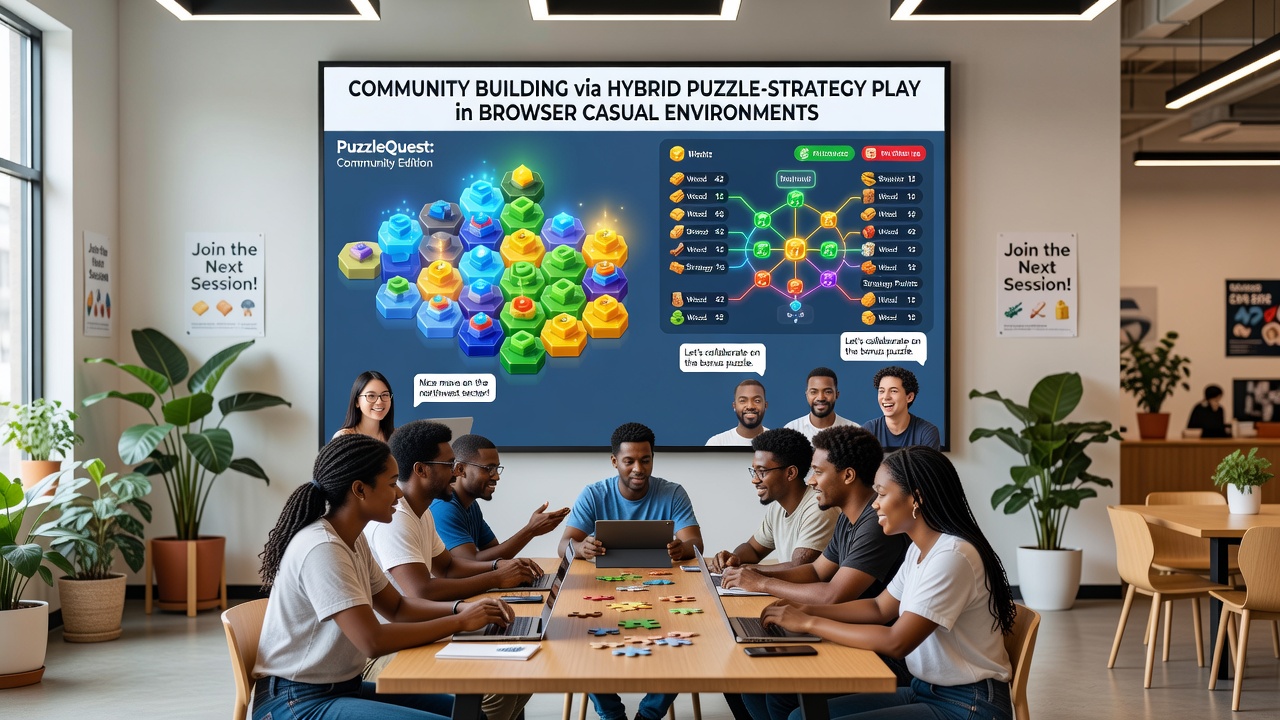
Moderated discussion boards within these environments often evolve into repositories of player-generated guides and strategy templates, which new arrivals consult to accelerate their integration. In August 2026, tracking data highlighted increased participation in regional subgroups that organized around specific puzzle themes, leading to organized tournaments and knowledge-sharing sessions that extended beyond the games themselves. Such developments demonstrate how hybrid systems support both competitive and collaborative dynamics without requiring constant real-time presence.
Patterns of Community Expansion Across Regions
European and North American player bases frequently intersect in browser hybrids that feature multilingual interfaces, allowing cultural exchange through shared strategic innovations. Canadian studies on digital entertainment have documented how these intersections produce hybrid slang and problem-solving conventions unique to particular game communities. Players migrate between titles that share similar mechanics, carrying established social ties and expanding network reach as a result.
Industry reports from organizations like the International Game Developers Association track how browser casual environments serve as testing grounds for community tools that later appear in larger platforms, including voting systems for puzzle design and strategy feedback loops. These tools reduce isolation by highlighting common interests among scattered users, and the resulting groups often maintain activity through seasonal content updates that refresh strategic layers while preserving core puzzle foundations.
Conclusion
Hybrid puzzle-strategy play in browser casual settings generates measurable community effects through interconnected mechanics and social features that reward sustained participation. External analyses continue to document rising engagement metrics tied to these designs, while player-driven initiatives extend the reach of these networks into broader digital spaces. The patterns observed across multiple markets underscore the role of accessible browser formats in sustaining long-term group formation around shared cognitive and tactical challenges.