Building Bridges Through Puzzles: Cooperative Mechanics in Browser Games Unite Diverse Player Communities
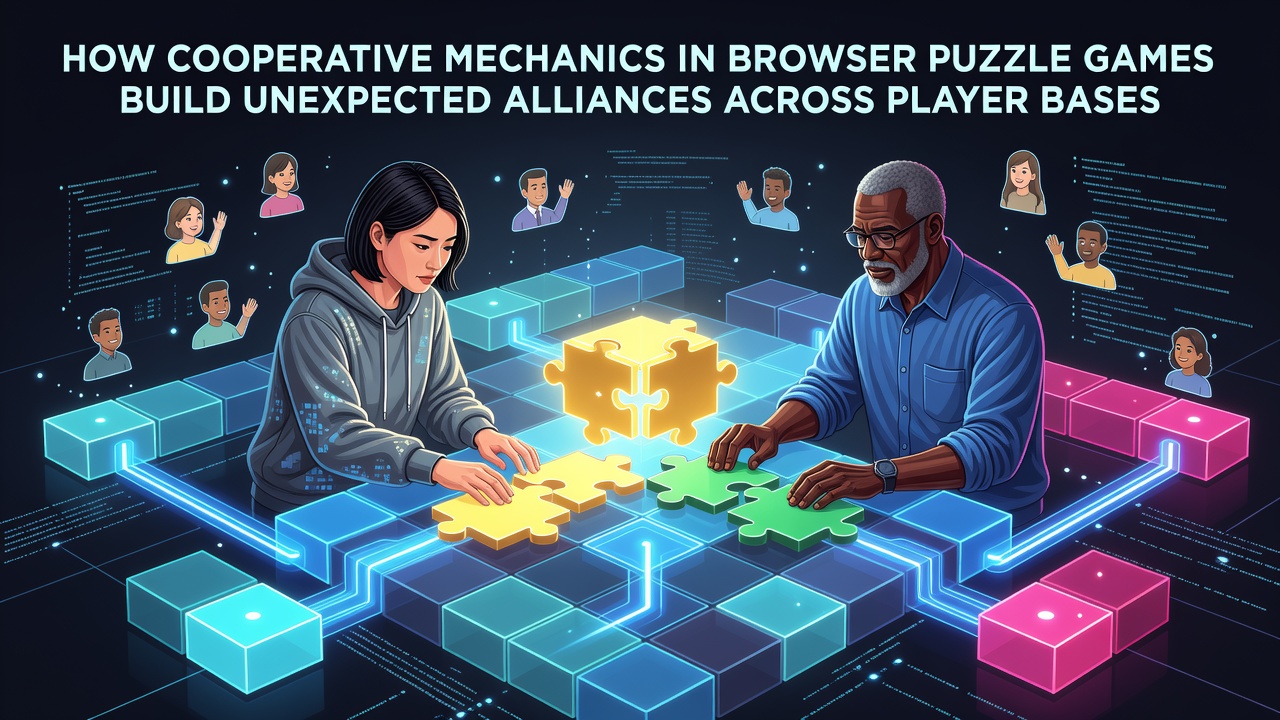
Cooperative mechanics in browser puzzle games have created pathways for players from varied backgrounds to form connections that extend beyond individual gameplay sessions, and data from industry reports shows these features encourage repeated interactions across separate user groups. Researchers tracking browser-based titles note that shared problem-solving tasks often require participants to pool resources or coordinate strategies in real time, which leads to alliances that cross age ranges, geographic locations, and skill levels. In June 2026 several platforms rolled out updated daily events where teams solve layered grid challenges together, and participation metrics indicate sustained engagement from both casual visitors and dedicated community members.
Mechanics That Encourage Group Coordination
Browser puzzle titles incorporate cooperative elements through features such as joint tile placement, synchronized timing puzzles, and shared progress trackers that update across multiple accounts simultaneously. These systems allow one player to complete a segment while another handles a different constraint, and the overall solution emerges only when both contributions align. Game design documentation reveals that developers integrate these loops to maintain daily login patterns, yet the side effect includes the formation of informal player networks that share tips and divide labor during peak event windows.
Studies from the Interactive Games and Entertainment Association in Australia highlight how such mechanics increase cross-demographic contact, because participants must communicate through in-game chat or external forums to succeed. Data shows that groups formed around these tasks often include members who first encountered each other through unrelated puzzle categories, and the alliances persist across multiple game titles hosted on the same browser platform.
Community Patterns Observed in 2026 Events
Throughout the first half of 2026, browser game operators reported spikes in cooperative session lengths during seasonal resets, and telemetry logs indicate that alliances frequently span continents. One documented case involved players from European servers coordinating with North American groups to unlock collective rewards, while similar patterns appeared in Asia-Pacific regions where time zone differences forced asynchronous handoffs. Observers note that these handoffs rely on persistent leaderboards and recorded solution threads that new members can reference without prior acquaintance.
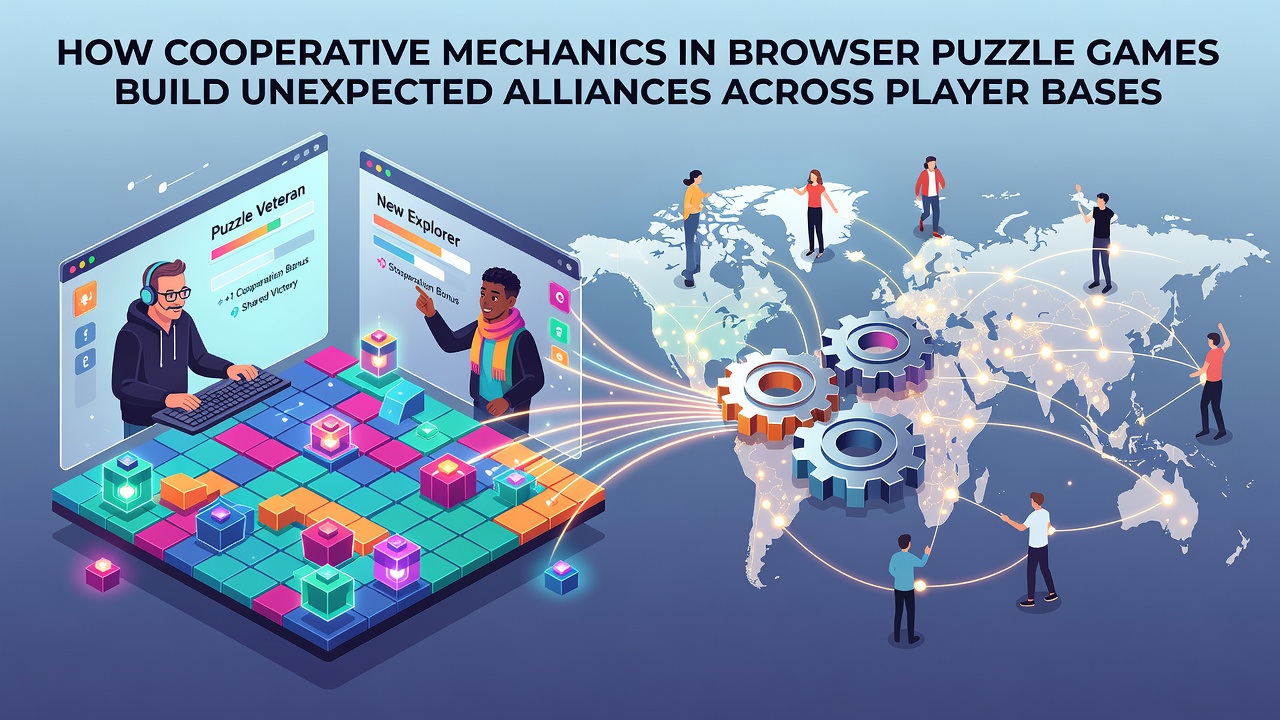
Academic analysis from the University of Waterloo's Games Institute demonstrates that cooperative puzzle structures reduce entry barriers for less experienced participants, because veterans often provide guidance in exchange for assistance on advanced stages. Figures reveal that retention rates climb when such mentorship occurs organically, and the resulting networks sometimes migrate to other browser titles that adopt similar cooperative frameworks. This migration creates overlapping memberships across otherwise distinct player bases.
Platform Design Choices Supporting Alliances
Engineers designing browser environments prioritize lightweight synchronization tools that function without dedicated servers, and these choices enable broader accessibility for players using varied devices. The resulting architecture supports drop-in participation, which allows alliances to form quickly during limited-time events. Research indicates that when synchronization remains stable, players develop trust through repeated successful collaborations, and this trust extends to sharing external resources such as custom solvers or community wikis.
Industry tracking from the Entertainment Software Association of Canada shows measurable growth in multi-title player clusters between 2024 and 2026, coinciding with the expansion of cooperative browser features. These clusters often maintain their own communication channels outside the original games, and the channels serve as recruitment points for new cooperative challenges. The pattern repeats across different puzzle subgenres, from number grids to pattern matching, suggesting the mechanic itself drives the alliance formation rather than specific thematic content.
Conclusion
Browser puzzle games continue to demonstrate that cooperative mechanics produce measurable connections among participants who might otherwise remain isolated within single-player modes. Evidence from multiple regions and research bodies confirms that shared problem-solving tasks generate sustained alliances, and these alliances influence participation patterns across the broader ecosystem of online titles. As platforms refine synchronization tools and event structures, the documented trend toward cross-base collaboration shows no sign of slowing.