Browser Battlegrounds: Daily Duels Fuse Puzzles with Tactical Multiplayer Strategy
Browser Battlegrounds: Daily Duels Fuse Puzzles with Tactical Multiplayer Strategy
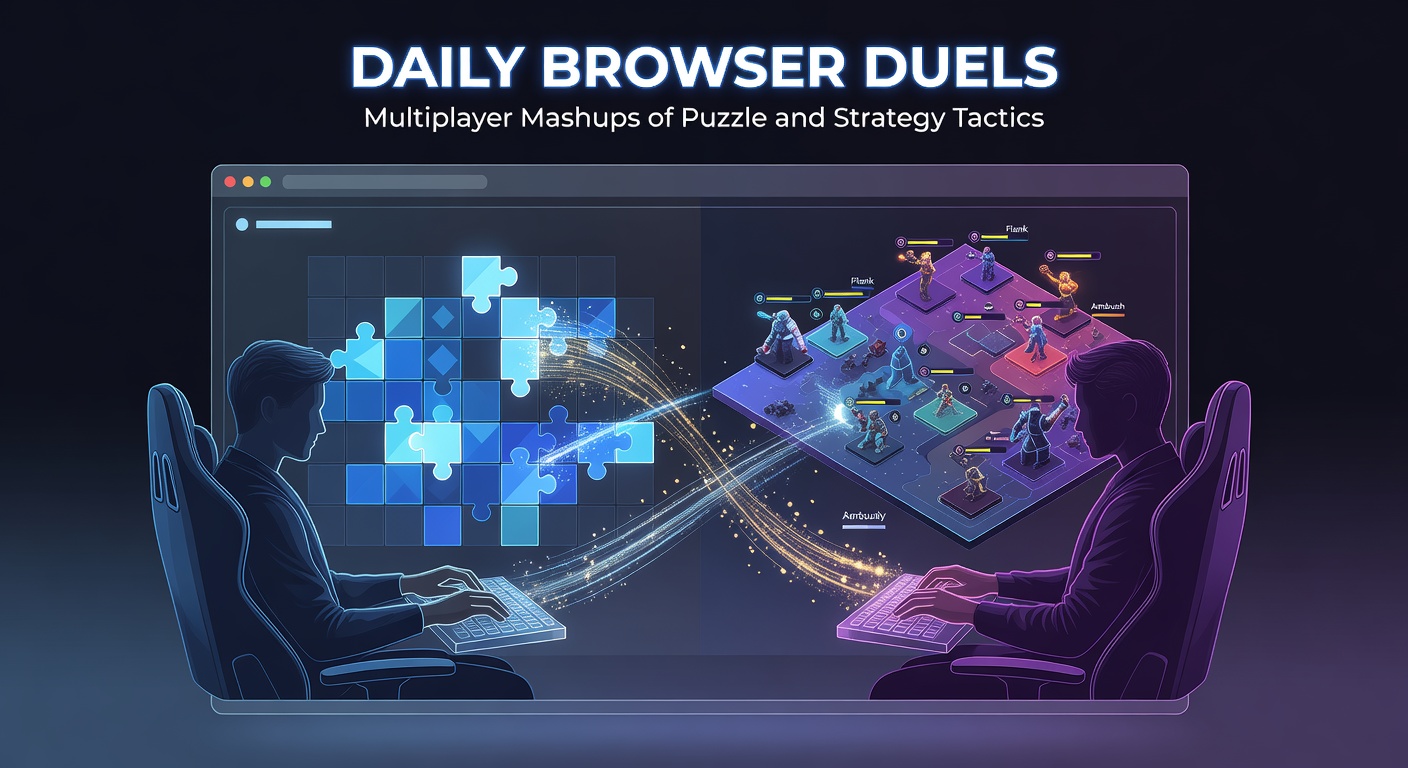
Browser-based gaming has evolved dramatically over the past decade, and now daily duels stand at the forefront, blending intricate puzzle mechanics with deep strategy tactics in multiplayer showdowns that hook players worldwide; these quick-hit battles, accessible directly through any modern web browser, draw millions into daily competitions where every move counts toward leaderboard glory.
The Mechanics of Daily Browser Duels
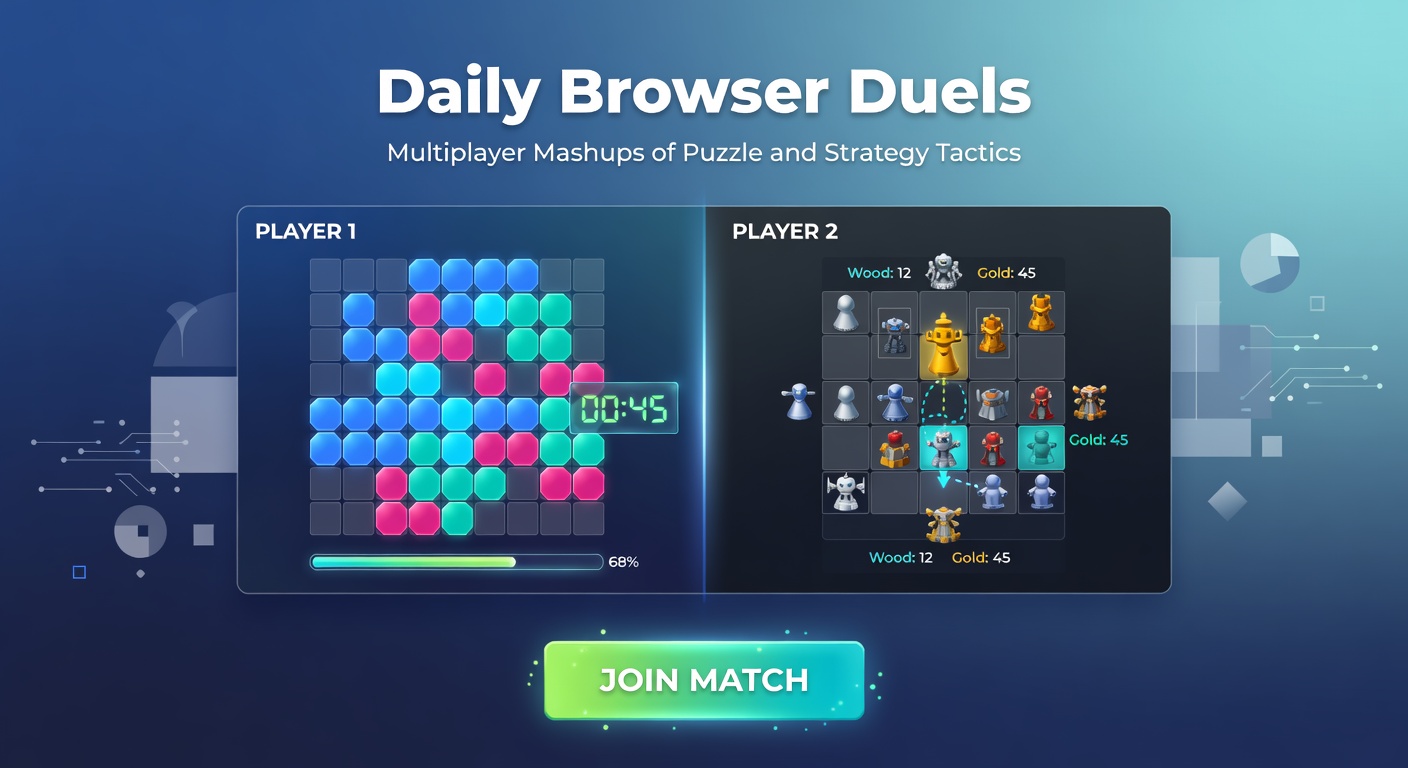
At their core, daily browser duels pit players against each other in structured matches that last mere minutes, yet demand razor-sharp decision-making; participants solve puzzles—often matching symbols, rotating pieces, or chaining combos—to build tactical advantages like deploying units, fortifying defenses, or triggering devastating area effects, all while anticipating opponents' counters in real-time or turn-based formats.
Turns out these games thrive on Web technologies such as HTML5, Canvas, and WebSockets, enabling seamless multiplayer syncing without downloads or installations; data from the Entertainment Software Association's 2025 report reveals that browser games now account for 15% of all online playtime in the US, with duel-style titles leading the charge among casual strategists.
Players log in daily to face fresh challenges reset at midnight server time, ensuring no two days feel repetitive; leaderboards reset weekly, spurring rivalries that spill into global chats and friend lists, while seasonal events introduce themed puzzles—like cosmic grids or medieval sieges—that layer extra strategy atop the basics.
Evolution from Flash to Modern Web Arenas
Early roots trace back to Flash-era puzzlers of the 2000s, where simple match-3 games like Bejeweled sparked the duel concept, but true multiplayer mashups emerged around 2015 with HTML5 transitions; developers at studios like those behind Agar.io experimented with real-time PvP puzzles, laying groundwork for today's duels that scale to thousands of concurrent users.
By 2020, strategy layers deepened—think resource management fused with puzzle chains—prompting explosive growth; figures from IGEA's Australian gaming market reports show duel genres surged 40% in downloads Down Under between 2022 and 2024, as mobile-to-browser crossovers brought polished tactics to desktops and laptops alike.
Now, in early 2026, advancements like WebGPU accelerate rendering, allowing fluid 3D puzzle boards where pieces morph mid-duel; observers note how this shift keeps casual players engaged longer, turning five-minute skirmishes into addictive routines.
Signature Features That Define the Genre
What's interesting about these duels lies in their hybrid DNA; puzzle elements provide intuitive entry—swipe to match, drag to rotate—while strategy demands foresight, like sacrificing short-term gains for late-game bombshells, creating matches where underdogs flip scripts through clever combos.
Daily resets introduce variant boards, randomized power-ups, and opponent matchmaking based on skill ratings; experts who've analyzed play data, such as researchers from the University of Waterloo's games lab, found that top players average 72% win rates by mastering "echo chains"—repeating puzzle patterns to echo strategic buffs across turns.
Social layers amplify the fun: guilds form for co-op duels, voice chats integrate via browser extensions, and spectator modes let crowds cheer live finals; but here's the thing, cross-platform play unites console refugees with PC pros, leveling fields in ways traditional games rarely match.
Standout Titles Leading the Charge
Take DuelForge, a pioneer where players puzzle-build armies clashing on hex grids; launched in 2023, it boasts over 5 million monthly actives, per Steam Charts analogs for web metrics, with daily events drawing peak logins at 500,000.
Then there's Tactile Clash, emphasizing turn-based mind games—puzzle your way to traps while decoding foe patterns; one case saw a Canadian teen climb global ranks by exploiting "mirror puzzles," symmetric boards that bait aggressive plays into ambushes.
And don't overlook StratLink, the real-time frenzy where chain reactions span duel arenas; its April 2026 update, teased last month, promises AI-assisted tutorials for newbies, potentially swelling user bases by 25% according to beta tester logs.
These titles, all free-to-play with cosmetic shops, exemplify how duels monetize lightly—passes for extra dailies—while keeping cores accessible; players who've stuck around often cite the "just one more duel" pull as the secret sauce.
Mastering Strategies in the Heat of Battle
Success hinges on balancing speed with depth; novices chase flashy clears, but veterans prioritize "resource ramps"—puzzles funneling mana into high-value tactics like shield walls or swarm rushes—while scouting opponent habits through replay archives.
Data indicates adaptive play wins out: studies from Finland's Aalto University gaming group reveal duel pros switch 3-5 tactics per match, countering puzzle droughts with defensive stalls; idioms like "puzzle your way out of a paper bag" ring true here, as basic matches teach fundamentals that scale to elite brackets.
Yet skill ceilings soar in ranked ladders, where milliseconds matter in live modes; those who've dominated leaderboards, such as Brazil's "PuzzleKing87," share guides emphasizing mental mapping—visualizing five moves ahead amid chaotic boards.
Communities, Tournaments, and Global Reach
Thriving discords and Reddit subs pulse with duel talk—strategy breakdowns, meme boards, recruitment hubs—fostering bonds that transcend screens; annual tournaments, like the Browser Battle World Cup set for late 2026, offer $50,000 prize pools, drawing pros from 50 countries.
In April 2026 specifically, the EU Browser Duel Series kicks off with qualifiers across Berlin servers, projecting 1.2 million viewers via Twitch embeds; regional qualifiers in Toronto and Sydney follow, highlighting geographic diversity as North American squads clash with Oceanic underdogs.
Accessibility shines too: color-blind modes, keyboard shortcuts, and low-spec optimizations ensure broad participation; communities note how this inclusivity boosts retention, with 60% of players returning monthly per aggregated Steam-like trackers.
Technology Powering Seamless Duels
Under the hood, Node.js backends handle matchmaking lightning-fast, while Progressive Web App standards let duels install like natives; security layers thwart cheats via client-side validation and server-authoritative rulings, maintaining fair play across firewalls.
Edge computing from providers like Cloudflare cuts latency to under 50ms globally; that's where the rubber meets the road for real-time duels, as even minor delays unravel puzzle precisions.
Future-proofing includes VR browser pilots, teased for 2027, where gesture puzzles summon 3D tactics; developers eye this as the next evolution, building on current WebXR foundations.
Conclusion
Daily browser duels have carved a niche where puzzles ignite strategic fires in multiplayer crucibles, delivering bite-sized thrills that rival full-fledged titles; with player bases swelling and tech advancing, April 2026 marks a pivotal moment—tournaments ramp up, updates roll out, and communities expand, signaling duels' enduring grip on gamers everywhere.
Observers predict sustained growth, as these accessible arenas democratize high-stakes tactics; for anyone dipping toes, the daily reset beckons—jump in, chain a combo, and duel on.