Arcade Foundations Driving Shifts in Browser-Based Strategy Game Communities Through Adventure Integration
Drew Schmitt · Jul 28, 2026
Arcade Foundations Driving Shifts in Browser-Based Strategy Game Communities Through Adventure Integration
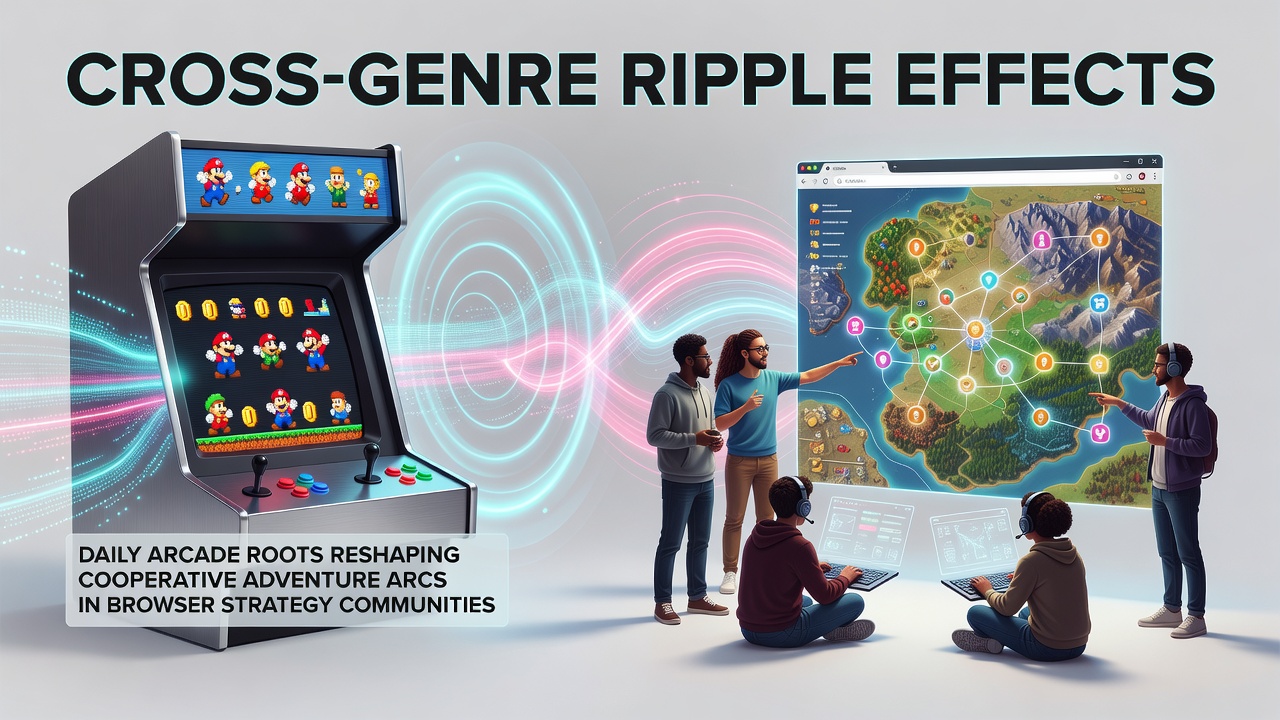
Browser strategy communities have seen daily arcade mechanics expand into cooperative adventure structures over recent years, with short-session puzzle loops feeding into longer multiplayer campaigns. Data from industry tracking shows participation in these hybrid formats rose steadily through 2025 and into July 2026, when seasonal updates aligned quick arcade tasks with group narrative progressions across multiple platforms.
Researchers tracking player movement patterns note that arcade roots provide repeatable entry points, while cooperative arcs build sustained engagement through shared objectives. According to reports compiled by the Entertainment Software Association, browser-based titles incorporating daily challenges recorded higher retention rates than pure strategy formats during the first half of 2026.
Daily Arcade Elements Entering Strategy Spaces
Arcade influences appear in the form of timed scoring systems, level-based resets, and incremental rewards that players complete in single sittings. These features migrated from standalone puzzle sites into strategy hubs, where developers added daily login bonuses tied to resource collection for cooperative quests. Observers note that this integration creates consistent traffic spikes at reset times, often coinciding with evening hours in North American and European time zones.
Studies from university research groups in Australia have documented how these short loops expose players to broader campaign maps. Participants who start with arcade tasks frequently extend sessions into group strategy phases, linking individual performance metrics to team-based adventure milestones.
Cooperative Adventure Arcs Taking Shape
Cooperative arcs in browser strategy titles now incorporate episodic story beats that advance only when multiple users complete linked daily objectives. This structure emerged as developers observed cross-genre player flows, with quick arcade participants migrating toward narrative-driven group events. In July 2026 several platforms introduced synchronized world events where arcade scores contributed directly to collective adventure unlocks.
Figures from European gaming trade associations indicate that titles blending these elements saw increased concurrent user numbers during peak summer periods. The mechanics rely on shared progress bars that fill through combined arcade and strategy contributions, creating visible connections between solitary quick plays and extended group campaigns.
Community Patterns and Retention Data
Player communities have adapted by forming groups around daily task coordination, where members assign roles based on preferred play styles. One documented case involved a North American strategy forum that reorganized its channels to track both arcade leaderboards and adventure campaign stages simultaneously. This shift allowed participants to identify how individual daily efforts supported larger cooperative goals.
Research from Canadian academic institutions tracking browser game metrics found that communities emphasizing these cross-genre connections maintained higher activity levels over multi-month periods compared to single-genre groups. The patterns show players moving from isolated sessions to scheduled group events without leaving the browser environment.
Technical Implementation Across Platforms
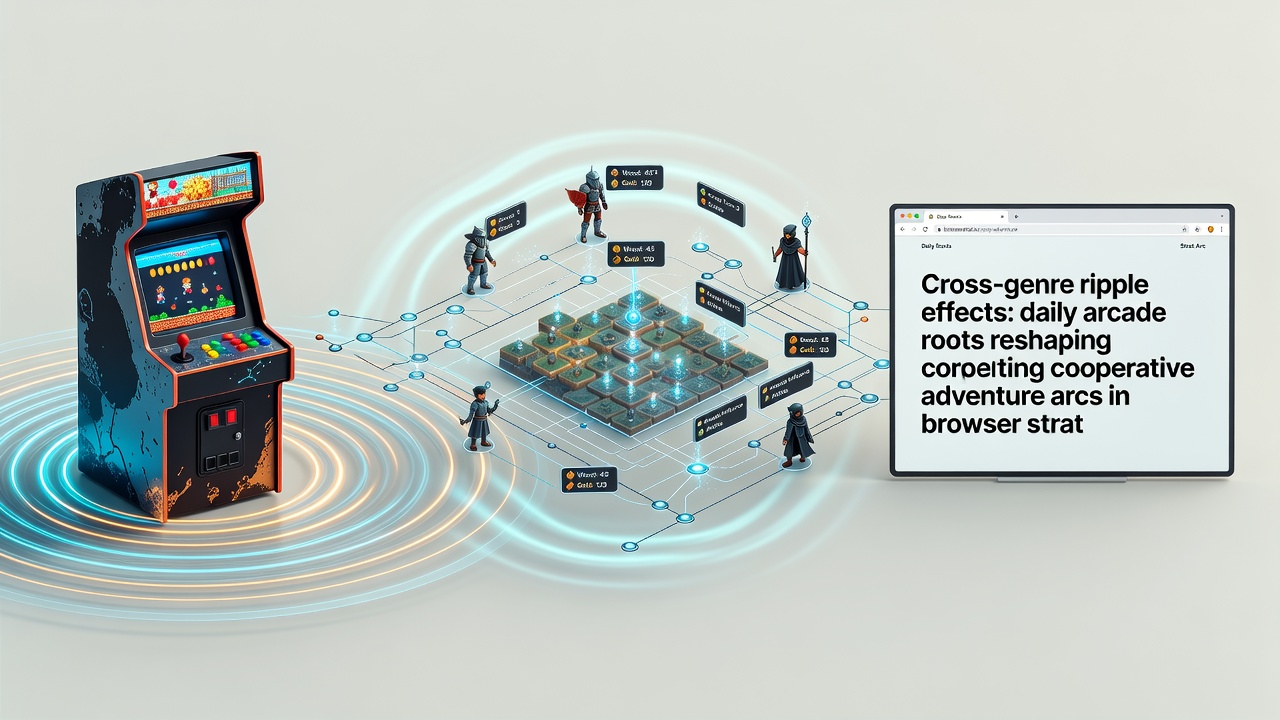
Developers achieve these ripple effects through shared backend systems that convert arcade completion data into adventure resources. APIs link scoring engines to narrative progression trees, allowing real-time updates visible to all group members. In July 2026 updates several major browser titles refined these connections to reduce latency during synchronized events.
Industry organizations in the Asia-Pacific region have reported similar technical approaches gaining traction, with developers prioritizing modular design that supports both quick arcade resets and extended cooperative storylines. This flexibility enables smaller teams to test genre fusions without rebuilding entire game architectures.
Conclusion
Cross-genre connections continue to develop as browser strategy communities incorporate daily arcade structures into cooperative adventure frameworks. Tracking data through mid-2026 demonstrates measurable shifts in participation and retention when these elements align. Future platform updates are expected to refine the technical links that sustain these patterns across diverse player groups.